
How to Assemble a Denim Tears Capsule Wardrobe Without Blowing the Budget
A scenario is far more instructive than a shopping list. You have roughly $1,200 to allocate across the coming twelve months, you like what Tremaine Emory has built since founding Denim Tears in 2019, and you have no interest in a wardrobe of pieces that only work together in a single photograph. Acting as though it funds a full collection is exactly how people end up with four graphic tees and nothing to wear them with. Planned properly, it buys a small set of garments that spans most of a year and still looks considered. What follows treats the label as one element of a working wardrobe rather than the whole thing. Treat every price as a 2026 market estimate and a range rather than a quote, since release, size and channel all affect the figure.
What a Capsule Actually Means When Single Pieces Cost $300
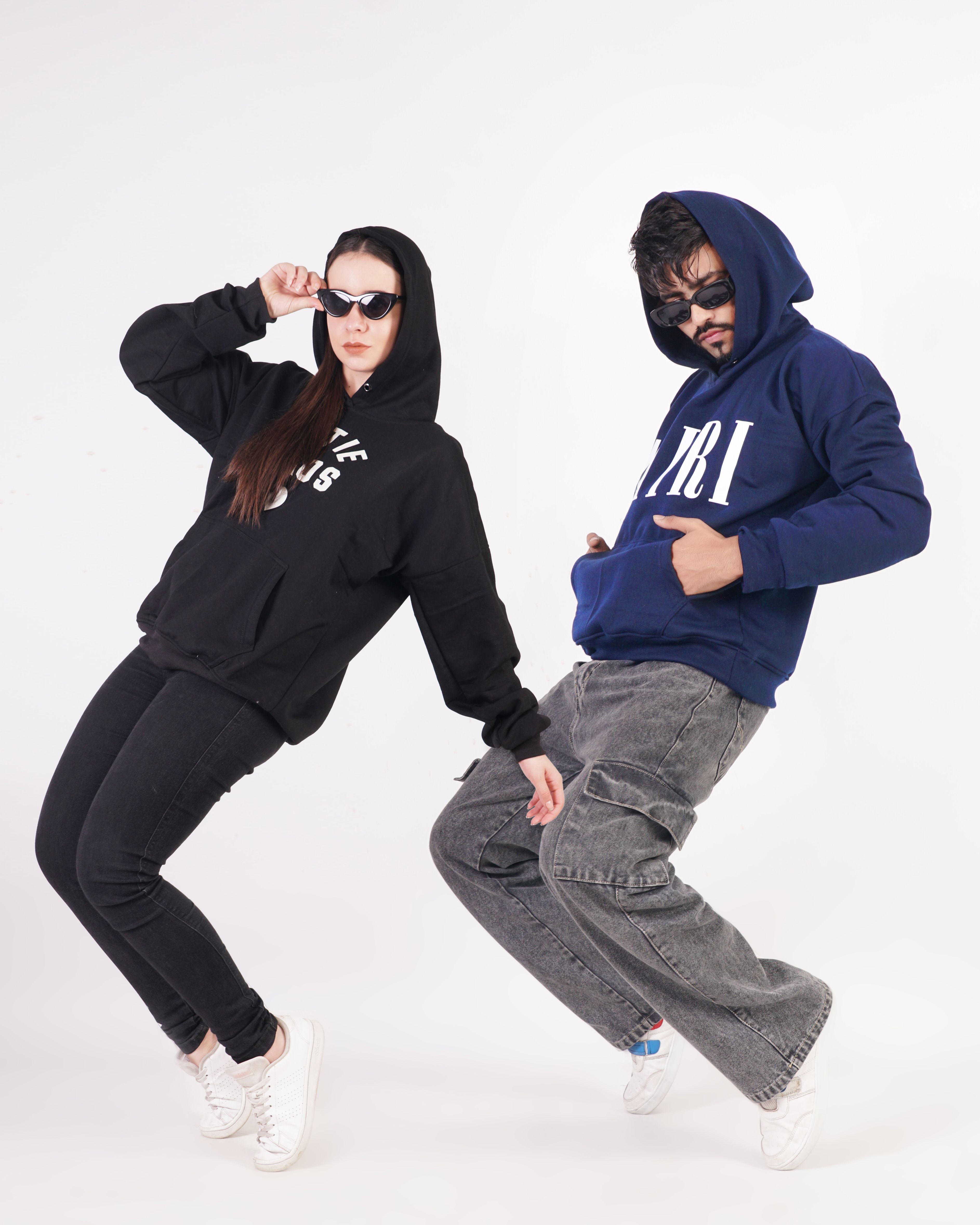
A capsule wardrobe is normally described as a small set of interchangeable garments, but at this price tier the definition needs tightening. In this context it means a few branded anchors supported by plain, well-chosen basics costing a small fraction of the price. Roughly one branded piece to three or four unbranded ones is the ratio that works for most people. Kept at that ratio, the cotton wreath graphic works at its best: carrying a look on its own instead of competing with a second loud piece. It also protects you from the most common mistake in this category, which is stacking statement items that denim tears clothing neutralise one another. Think of the budget as buying focal points, not coverage, and let cheap staples do the covering.
Set the Ceiling Before You Draft the Wishlist
Because wishlists expand to consume whatever budget exists, set the total first and keep it fixed. Record the number, split it across two or three planned purchases, and agree that anything outside the plan waits until next year. A good habit is holding around 15 percent of the total in reserve for the piece you had not planned for. If the size is wrong then the loss is total rather than partial, which makes sizing as much a financial issue as an aesthetic one. The small costs get overlooked, so allow for shipping, any import duty, and possibly a hem alteration on jeans. Three realistic starting points follow, depending on what you can actually spend without strain.
- Around $400 to $600: one anchor and basics, typically a tee and one heavier item
- Around $1,000 to $1,300: a three-piece build sized for warm and cold weather
- Around $1,800 and above: a four-piece build, jeans and a second layer included
One Anchor Is Enough
Because the rest of the capsule is arranged around it, picking the wrong anchor wastes most of the budget. Most buyers land on a denim tears hoodie as the anchor, estimated at roughly $250 to $400 in 2026, because it works across three seasons and carries a full outfit alone. For people who live somewhere warm, the anchor is more sensibly a tee at roughly $100 to $200, which leaves room for two supporting pieces. Where layers are already plentiful, denim tears jeans built on the Levi’s 501 pattern are the smarter anchor at roughly $300 to $500, given that a distinctive bottom half alters everything worn above it. Let the choice follow the weather you actually live in and the half of your body that needs the most help. Get one anchor right and it will outperform two hasty purchases every time.
A Worked Example: Around $1,200 Across a Year
Spreading the buying across twelve months achieves two things at once. The spend is smoothed out, and there is time to wear each piece before the next one, which is how you learn what you actually reach for. The order below opens cheap on purpose so that the smallest purchase shows how the brand’s cuts fall on you before more money is at stake. Take the midpoints across the four items and you arrive at $1,150, with the full range spanning roughly $830 to $1,450 depending on sourcing. The fourth purchase is the first to go if the first three already cover your week. Adapt the table rather than treating it as a fixed schedule.
| Months | Item | 2026 estimate | Function in the capsule |
|---|---|---|---|
| 1 to 2 | Printed tee | $100 – $200 | Low-risk entry, warm-weather layer, layers under everything |
| 3 to 5 | The cotton wreath hoodie | $250 – $400 | The centrepiece, handles autumn and spring on its own |
| 6 to 8 | Sweats or shorts | $180 – $350 | Weekend separates that pair with the tee |
| 9 to 12 | Jeans built on the 501 pattern | $300 – $500 | Optional but the biggest payoff, recasting every outfit |
Where Unbranded Basics Come In
A modest budget quietly wins in the supporting layer, which deserves more thought than it usually gets. Plain heavyweight tees in the 6 to 8 oz range, around 200 to 270 gsm, cost $20 to $40 each and let the branded pieces remain special. A plain denim hoodie or an unbranded fleece around 400 gsm covers the days you do not want a graphic on your chest, typically for $60 to $120. At $50 to $90, neutral trousers in black, ecru or washed indigo pair with everything the capsule already contains. A narrow palette, ideally three or four tones, means any top works with any bottom without thinking. Shoes stay simple, since one clean low-profile pair does more work here than three loud ones.
- A run of two to three plain heavyweight tees at $20 to $40 each
- One unbranded fleece or plain denim hoodie, $60 to $120
- Two pairs of trousers in neutral tones, $50 to $90 each
- A neutral, do-everything pair of shoes
Where You Can Save, and Where You Never Should
Intelligent saving is paying less for the same garment, not buying a different garment and calling it the same. Pre-owned pieces in good condition are the single largest legitimate saving, frequently 20 to 35 percent below retail for common colourways. Off-season timing helps too, since heavyweight fleece is at its cheapest when nobody wants it in July. Buying a less hyped colourway rather than the most photographed one can save a similar margin with no compromise in construction. Buying a counterfeit is the one thing to never do, failing on both ethics and arithmetic: the cotton wreath references the history of cotton, the transatlantic slave trade and African-American experience, and a replica strips that meaning while also falling apart. Similarly, do not save money by accepting the wrong size, because an unworn piece hanging in a wardrobe costs you 100 percent of its price.
Patience as a Discount
The week the whole internet is discussing it is the costliest time to buy from this label. Demand spikes around a release, resale prices rise with it, and the same piece is often noticeably cheaper three to six months later as supply settles. The cheapest move on the board is setting alerts and simply waiting, and it costs nothing but attention. For heavyweight pieces, the end-of-season windows in late January and late July are generally the softest stretch of the year. Search the single-word spelling denimtears and you will find prices vary widely between platforms for identical items, which makes comparing three sources worth ten minutes. Patience here is not a moral virtue but a discount that compounds across the whole four-piece build.
Three Rules to Keep the Plan Honest
Since enthusiasm and a limited-run release are where plans fail, make the decisions in advance. Blunt by design, the three rules below cover the situations where most budgets break. Every rule belongs before the checkout page, not in front of it. What the first rule protects is the ratio that makes a capsule function at all. Rule two stops duplicate purchases, the quiet way small wardrobes bloat. The third keeps you from paying a premium for the sake of speed on what is, after all, a garment that will still exist next season.
- Keep it to one branded anchor for every three or four unbranded basics, no exceptions.
- Nothing else in that category until the first has been worn twenty times.
- Give it at least thirty days after a release before you pay any resale premium.
Build it this way and you end up with two or three Denim Tears pieces doing visible work and a supporting cast that costs less than one of them. On $1,200 that is entirely realistic, and it wears far better than a wardrobe assembled in a single impulsive month. Whether your anchor turns out to be a hoodie, a tee or the sweatpants that shoppers often search for as denim tear pants, the logic is the same: fewer pieces, better chosen, worn constantly.