
What Happens During an IV Drip Session? Step-by-Step Guide
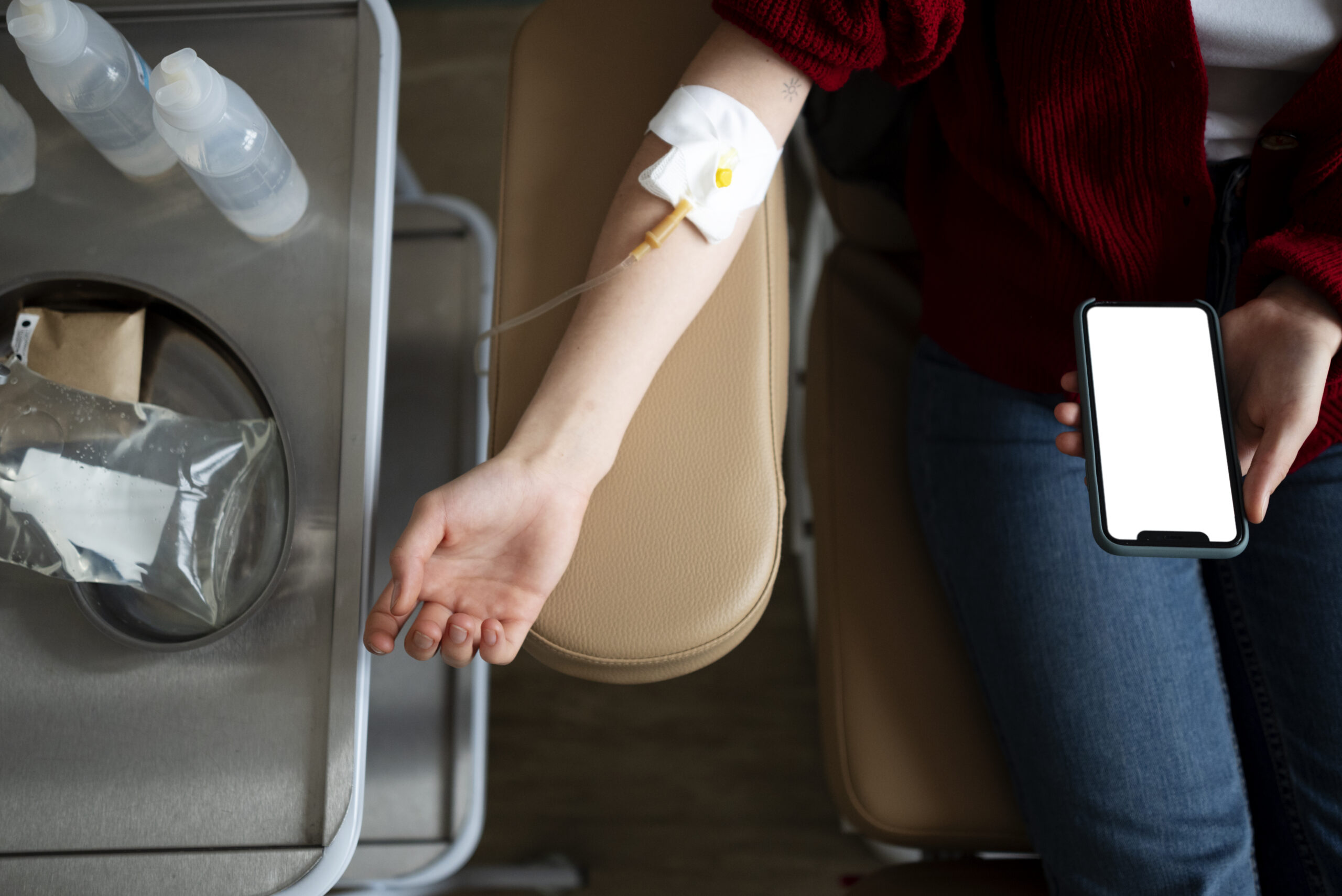
IV therapy has become a popular wellness and medical treatment due to its fast and effective results. It delivers fluids, vitamins, and medications directly into the bloodstream, allowing quicker absorption compared to oral methods. Many people today choose IV therapy for hydration, energy boost, and recovery support.
If you are planning your first session, you may wonder What Happens During an IV Drip Session and whether the process is comfortable. Understanding how it works can reduce anxiety and help you feel prepared. Additionally, this guide will walk you through each stage so you know exactly what to expect during the treatment.
What Happens During an IV Drip Session?
To understand an IV Drip Session, it is important to know that the procedure is simple and performed under medical supervision. A healthcare professional inserts a small needle into a vein, allowing fluids to flow directly into your bloodstream in a controlled manner.
This is an IV drip procedure explained in a patient-friendly way, ensuring clarity and confidence. Moreover, the complete IV therapy session process focuses on safety, comfort, and effectiveness, making it suitable for both medical and wellness purposes.
IV therapy is commonly used in hospitals, clinics, and emergency rooms to provide immediate treatment. The fluid bag may contain saline solution, medications, electrolytes, vitamins, or glucose, depending on the patient’s condition. Understanding how IV Drips Work is essential because this method ensures the body receives vital substances quickly and safely.
Step-by-Step Process of an IV Drip Session
1. Consultation
- Medical history review and basic health assessment
- Discussion of symptoms, hydration levels, and goals
- Selection of appropriate IV fluids or nutrients
During this stage, the healthcare provider carefully evaluates your condition to determine the most suitable treatment. This step ensures personalised care and helps achieve the best outcomes. It also sets the foundation for how IV drip treatment works effectively for your body.
2. Preparation
- Cleaning and disinfecting the injection area
- Arranging sterile equipment and IV fluids
- Ensuring a comfortable seating or resting position
Preparation is a crucial step that ensures hygiene and minimises the risk of infection. It helps maintain a safe environment before starting the procedure. These measures are essential for maintaining high standards of IV therapy safety throughout the session.
3. IV Line Setup
- Insertion of a small needle into a vein
- Placement of a flexible IV cannula
- Securing the IV line to prevent movement
This step may cause a slight pinch, but the discomfort is minimal and temporary. Once the IV line is in place, the process becomes smooth and painless. These initial IV drip treatment steps prepare your body for receiving fluids efficiently.
4. Drip Administration
- Controlled flow of fluids into the bloodstream
- Delivery of vitamins, electrolytes, or medications
- Adjustment of flow rate as per patient needs
At this stage, the fluids begin to enter your bloodstream gradually. This IV infusion procedure guide ensures that nutrients are delivered steadily and effectively. The process is carefully managed to provide maximum benefit without causing discomfort.
5. Monitoring
- Regular checking of vital signs
- Observing patient comfort and reactions
- Adjusting the drip speed if required
During the session, healthcare providers monitor your condition closely. This ensures an immediate response if any discomfort occurs. Continuous monitoring plays a key role in maintaining safety and enhancing the effectiveness of the therapy.
6. Completion
- Removal of the IV needle safely
- Cleaning and dressing the injection site
- Providing aftercare instructions
Once the treatment is complete, the IV line is removed carefully. This marks the final stage of What Happens During an IV Drip Session, leaving you hydrated and refreshed. Proper aftercare advice is also given to ensure a smooth recovery.
How Long Does an IV Drip Session Take?
When learning What Happens During an IV Drip Session, many people are curious about the duration. Typically, an IV therapy session lasts between 30 and 60 minutes, depending on the type of fluids and treatment required.
However, some specialised treatments may take slightly longer to ensure proper absorption. The duration is carefully controlled so that your body receives the right amount of fluids at a safe pace.
What Does an IV Drip Feel Like?
Understanding an IV Drip Session also includes knowing how it feels. Most people experience a small pinch during the needle insertion, followed by a cooling sensation as fluids enter the vein.
After the initial step, the process is generally painless and relaxing. Many individuals choose to rest, read, or use their phones during the session, making it a comfortable experience overall.
Benefits of IV Therapy
- Rapid hydration and improved fluid balance
- Direct absorption of nutrients into the bloodstream
- Boost in energy levels and immunity
- Faster recovery from illness or fatigue
- Better effectiveness compared to oral supplements
These advantages make IV therapy a preferred option for many individuals. Understanding IV drip benefits and risks helps patients make informed choices. Overall, the treatment offers quick and noticeable improvements in hydration and wellness.
Risks and Safety of IV Drips
While IV therapy is generally safe, it is important to understand What Happens During an IV Drip Session from a safety perspective. Minor risks such as slight bruising, swelling, or discomfort at the injection site may occur in some cases.
However, strict medical protocols and trained professionals ensure IV therapy safety at every stage. Therefore, serious complications are rare when the procedure is performed in a proper clinical setting.
Who Should Consider IV Therapy?
IV therapy can benefit a wide range of individuals depending on their health needs. It is commonly recommended for those experiencing dehydration, fatigue, or nutrient deficiencies. Additionally, it is useful for individuals recovering from illness or intense physical activity.
People with busy lifestyles often choose IV therapy for quick energy boosts and improved wellness. However, consulting a healthcare professional is always important before starting treatment to ensure it is suitable for your condition.
FAQs
An IV drip session involves inserting a needle into a vein to deliver fluids directly into the bloodstream under medical supervision.
Most sessions take around 30 to 60 minutes, depending on the type of treatment and fluids used.
IV therapy is not painful, except for a small pinch during needle insertion. The rest of the process is usually comfortable.
You can expect a safe, monitored environment where fluids are delivered steadily while you relax during the session.
Conclusion
Understanding What Happens During an IV Drip Session helps you feel more confident and prepared before undergoing treatment. The process is simple, safe, and highly effective for hydration, recovery, and overall wellness support.
If you are considering IV therapy, consult a trusted expert like Dr Francis for personalised advice and professional care. Taking the right step today can improve your health, boost your energy levels, and support long-term well-being.