
Understanding How IV Drips Work: Types, Benefits, and Medical Uses
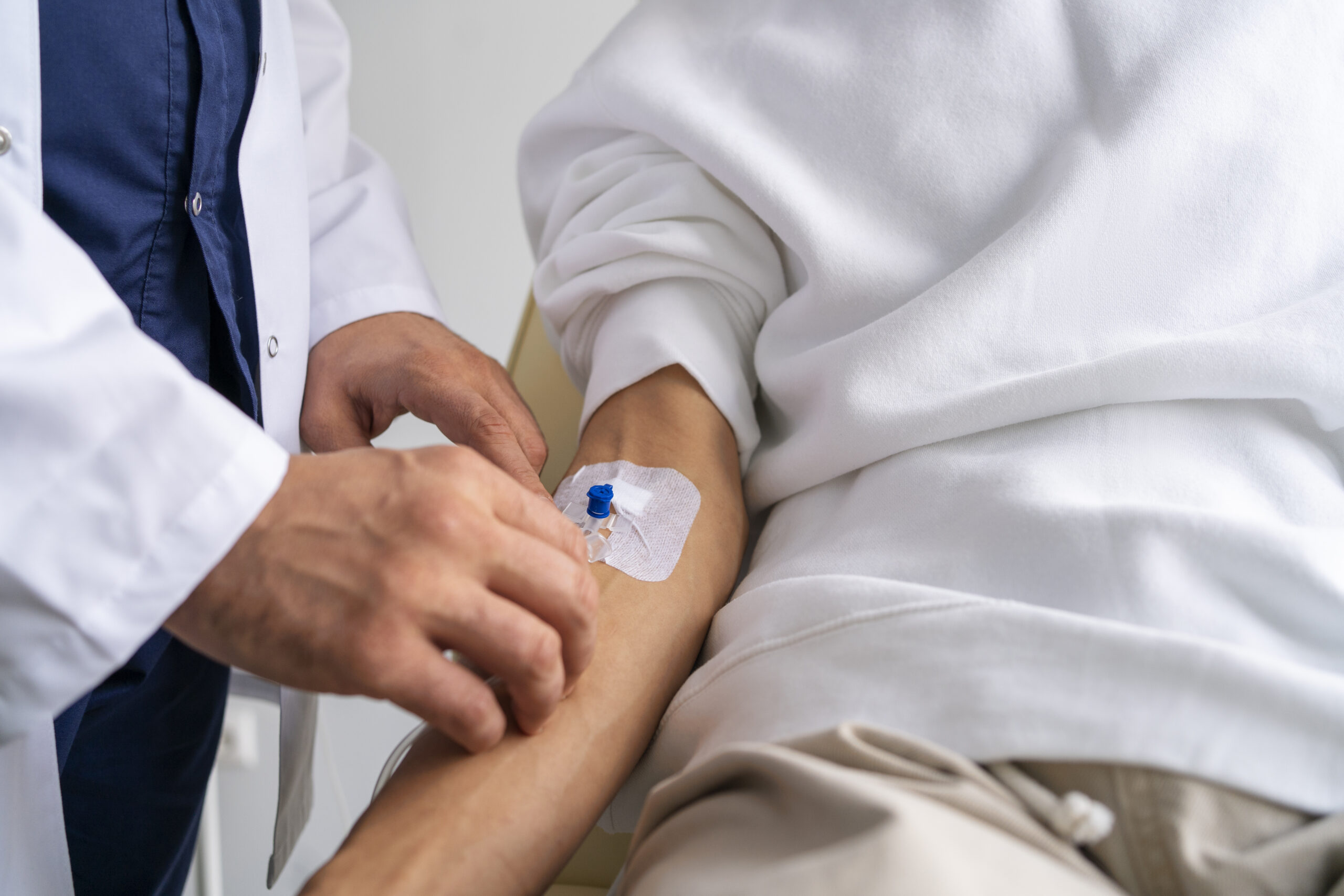
Intravenous therapy, commonly known as IV therapy, is one of the most effective medical treatments used in hospitals and clinics worldwide. It allows fluids, medications, and nutrients to be delivered directly into the bloodstream for fast and efficient results. Many patients receive IV treatment for dehydration, infections, nutrient deficiencies, and medical emergencies. Understanding how IV Drips Work can help people appreciate why this method is widely trusted in modern healthcare.
IV therapy is especially beneficial because it bypasses the digestive system and provides immediate absorption. Unlike oral medications that take time to break down in the stomach, IV fluids enter the bloodstream instantly. This makes the treatment extremely useful during emergencies or when rapid hydration is required. Learning how IV Drips Work also helps patients feel more confident when undergoing medical procedures involving intravenous therapy.
What Are IV Drips?
An IV drip is a medical system used to deliver fluids directly into a patient’s vein through a small catheter inserted into the arm or hand. The system includes a sterile bag containing fluid, a tube, and a needle or catheter that connects the solution to the bloodstream. Doctors carefully control the flow rate to ensure the patient receives the correct dosage.
IV therapy is commonly used in hospitals, clinics, and emergency rooms to provide immediate treatment. The fluid bag may contain saline solution, medications, electrolytes, vitamins, or glucose, depending on the patient’s condition. Understanding how IV Drips Work is essential because this method ensures the body receives vital substances quickly and safely.
Types of IV Drips
There are several types of IV drips used in medical treatments, depending on the patient’s needs. Each type is designed to deliver specific fluids or medications efficiently into the bloodstream.
Common types of IV drips include:
- Saline IV Drip – Used for hydration and restoring fluid balance in the body.
- Vitamin IV Drip – Provides essential vitamins and nutrients directly into the bloodstream.
- Antibiotic IV Drip – Used to treat severe infections requiring fast medication delivery.
- Glucose IV Drip – Helps restore energy levels and stabilise blood sugar.
- Electrolyte IV Drip – Maintains proper electrolyte balance in patients with dehydration.
Doctors determine the appropriate IV drip based on the patient’s medical condition. Knowing how IV Drips Work allows healthcare professionals to deliver life-saving treatments quickly and effectively.
Understanding How IV Drips Work in the Body
When a patient receives an IV drip, a small catheter is inserted into a vein, usually in the arm or hand. The IV fluid bag is connected via sterile tubing, allowing the fluid to flow slowly into the bloodstream. This process is carefully controlled using a drip chamber or infusion pump.
Once the fluid enters the bloodstream, it circulates throughout the body and begins working immediately. Because nutrients and medications are delivered directly into the veins, the body absorbs them faster than oral medicines. This is the main reason medical professionals rely on IV therapy for quick and effective treatment.
Understanding how IV Drips Work is important because the method ensures precise dosage control. Doctors can adjust the flow rate and medication levels depending on the patient’s response and medical needs.
Benefits of IV Drip Therapy
IV drip therapy offers several advantages compared to traditional medication methods. Since the fluids are delivered directly into the bloodstream, the treatment works faster and provides more accurate results.
Major benefits of IV drip therapy include:
- Fast hydration for patients suffering from dehydration.
- Immediate medication delivery during medical emergencies.
- Higher nutrient absorption compared to oral supplements.
- Healthcare professionals monitor precise dosage control.
- Improved recovery time for patients with infections or illnesses.
These benefits explain why IV therapy is commonly used in hospitals, emergency rooms, and specialised clinics. Many patients are curious about how IV Drips Work, especially when they see how quickly the treatment improves hydration and overall health.
Medical Uses of IV Drips
IV drips are widely used in modern medicine for treating a variety of conditions. Doctors rely on intravenous therapy to deliver fluids, medications, and nutrients when the body cannot absorb them effectively through the digestive system.
Common medical uses of IV drips include:
- Treating severe dehydration caused by illness or heat exposure.
- Delivering antibiotics for serious bacterial infections.
- Providing pain relief medications during surgery or treatment.
- Supplying nutritional support for patients unable to eat normally.
- Maintaining fluid balance during major medical procedures.
Understanding how IV Drips Work helps patients realise why this treatment is essential in emergency medicine and critical care situations.
Safety and Monitoring During IV Therapy
IV therapy is generally safe when administered by trained healthcare professionals. Doctors and nurses monitor the flow rate, dosage, and patient response throughout the treatment process. This ensures that the fluids and medications are delivered safely and effectively.
Some patients may experience mild discomfort at the insertion site, but serious complications are rare when proper medical procedures are followed. Hospitals use sterile equipment and strict safety protocols to minimise the risk of infection or other issues.
Healthcare professionals also monitor vital signs during treatment to ensure the patient responds well to the therapy. Knowing how IV Drips Work helps patients understand the safety measures involved and why medical supervision is important.
When Doctors Recommend IV Drips
Doctors recommend IV drips when patients need immediate hydration, medication delivery, or nutritional support. This treatment is commonly used in emergencies, surgical procedures, and recovery care.
Patients who cannot take oral medications due to vomiting, digestive problems, or severe illness often benefit from IV therapy. Direct bloodstream delivery ensures the body receives essential nutrients and medications without delay.
Learning how IV Drips Work helps patients better understand why doctors choose this method for faster, more reliable medical treatment.
Conclusion
IV therapy plays a crucial role in modern healthcare by delivering fluids, medications, and nutrients directly into the bloodstream. The treatment provides rapid absorption, precise dosage control, and effective results for a wide range of medical conditions. From dehydration treatment to infection management, IV drips are essential tools used by healthcare professionals.
Understanding how IV Drips Work helps patients appreciate the importance of this treatment in hospitals and clinics. With its ability to deliver life-saving fluids quickly and efficiently, IV therapy remains one of the most trusted medical procedures worldwide.